Welcome To Nexa Gear

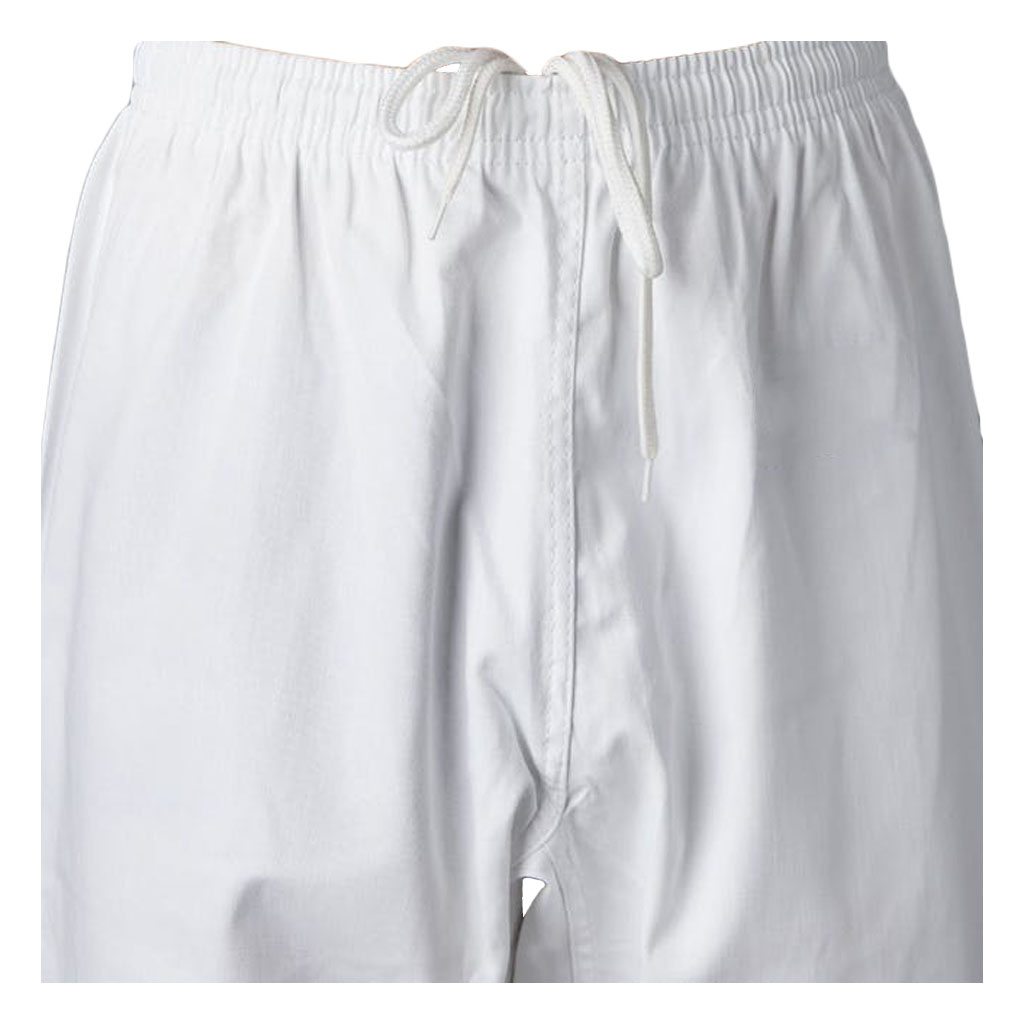


Manufacturer Custom Karate Uniform | Nexa Karate Gi
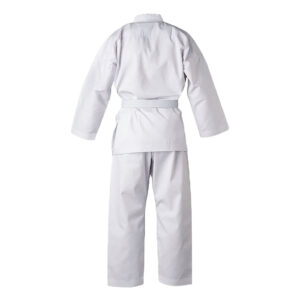
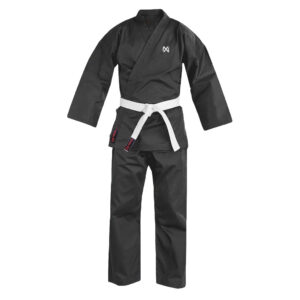
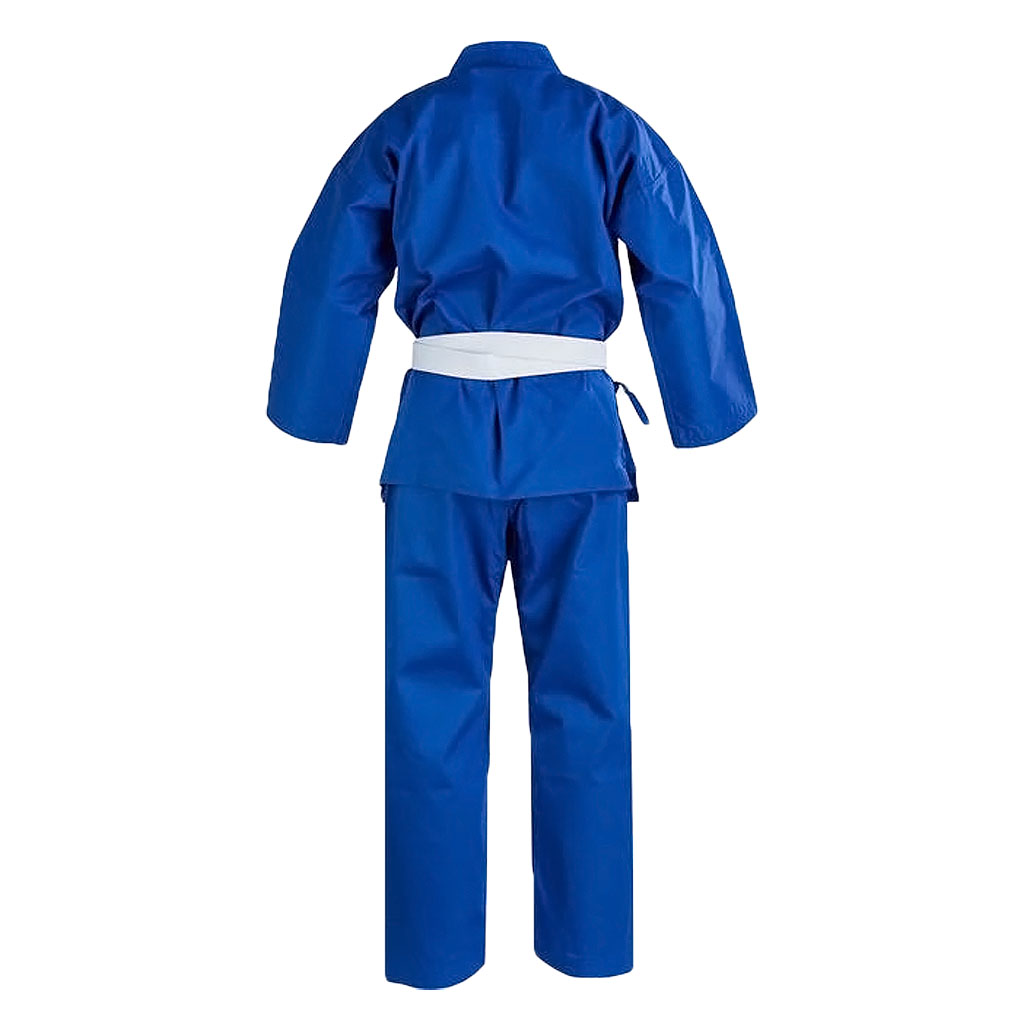
Custom Karate Uniform
Material: | Cotton /Polyester |
Logo: | We offer customized Logo Printing ,Embroidery |
Size: | All size available |
Color: | Any Color According to Customer’s Demand. |
Feature Top: | High quality and excellent weaved fabric. Extra stronger thread stitching in same or contrast colors. |
Features Bottom | Full sleeves and pants. Manufactured in accordance with all major competition rulings. |
Our Services: | We are a factory manufacturing custom Sports Wear, Fitness Wear, Casual Wear |
MOQ: | 20 Suits per Size as usually, Qty can negotiate. Thanks! |
Custom Karate Uniform | Karate gi
- Material: 65% Cotton, 35% Polyester.(approximately)
- High quality and excellent weaved fabric.
- Extra stronger thread stitching in same or contrast colors.
- Full sleeves and pants.
- Manufactured in accordance with all major competition rulings.
- Belt, White Jacket & Elastic – Drawstring Trouser. You Can Put Clubs –School –Gym Logos/Patches with Ease On This Uniform.
- Lightweight & Preshrunk, this karate uniform is very lightweight & preshrunk.
- Breathable anti rip & rash free fabric, fabric is fully breathable & rash free, no sweat odors.
For Customize Label and Design
- We offer customize label and design. Minimum order quantity should be at least 50 pieces
Delivery Time
- 10 To 15 Days (For Small Orders)
- For Bulk Quantity kindly send inquiry for detail.
Our Services
- Quick Response
- Sample Available
- Low MOQ
- Private Label & Package Design
- Quality Guarantee
- Door to door shipment
Karategi (空手着 or 空手衣) is the formal Japanese name for the traditional uniform used for Karate practice and competition.
A karategi is somewhat similar to a judogi (柔道着 or 柔道衣, Judo uniform) as it shares a common origin; however, the material and cut of the uniform is generally much lighter and looser fitting.
The heaviest of Karategi (custom karate uniform) are only 0.5 kg (16 oz) compared to some judogi at 1 kg (35 oz).
Because of the nature of Karate training which emphasizes striking, kicking and a more limited range of standing throws compared to Judo
the karategi has evolved in a manner that maximizes mobility and speed without the extremely coarse and strong fabric required for grappling and throwing found in Judo.
They are made from smooth cotton which may be brushed or ribbed for unrestricted movement and added comfort. Reinforced stitching is common, as to compensate for the stresses put on the gi.
Inferior karate uniform are often cut from a light fabric similar to that of a summer shirt.
These custom karate uniform are easily ripped, and tend to adhere to the practitioner’s skin, creating some discomfort after any extensive perspiration is experienced.
Such materials yield a karategi no heavier than the 0.2 kg (8 oz).
Most quality karategi are cut from a light canvas style cloth because of its ability to stand up to considerable amounts of rigorous application and abuse without restricting the mobility of the karateka. Typically, such karategi weigh at least 0.3 kg (10 oz).
The weight of the material helps Karateka determine how rigid the suit will be. 0.34 kg (12 oz) or 0.40 kg (14 oz) cotton canvas is standard, although some manufacturers offer 0.45 kg (16 oz) materials.
It is not unusual for a martial artist to feel better cooled when using a heavier karate gi, compared to the cheaper karate gi.
Naturally, heavier suits will be more rigid. This rigidity increases ventilation within the suit. The heavier gi also has a more pronounced sound when a move is executed.
Despite the extra weight of the heavier fabrics, most experienced practitioners prefer them due to their durability, and the ability of the thicker fabric to wick away perspiration.
The three main cuts of karate uniform gi are Kata, European and Japanese.The Japanese cut has short sleeves and trousers for less restriction. This cut also has a longer lapel that prevents it from riding up over the belt (obi).
The Kata cut is very rare. It has even shorter sleeves and is chosen more for aesthetic appeal. European Cut has longer sleeves and trouser. The lapel is shorter. This cut again is chosen for aesthetic appeal.
Karate gi come in a wide array of colors. Most Karateka still wear white. Some clubs use a system of differing colors to differentiate students from instructors.
Karatekas hone their skills at the dojo wearing karate gi
Different styles of Karate have slightly different uniforms though all share the same basic design, differing only in the lengths of sleeves, legs and the skirt of the uwagi (jacket).
Many karateka tend to wear their obi (belt) much longer than judoka and other martial artists.
Karate uniform are sometimes worn to practice other arts, such as jujutsu, when the practitioners are young and can expect to grow out of the gi in a few years; in this case, their reduced durability in comparison to judogi is less of a factor,
and buying karate uniform until the practitioner stops growing is more cost-effective.
The karate gi appears to have been developed from the Judo uniform. When Gichin Funakoshi demonstrated karate in Japan at the Kodokan, he still wore a traditional judo gi.