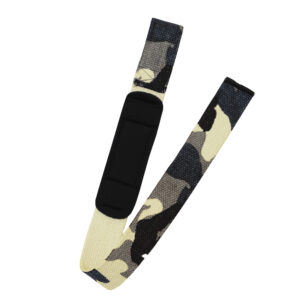
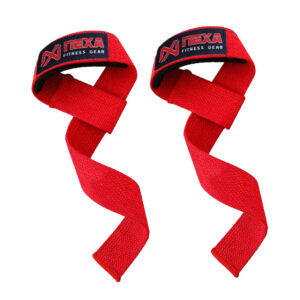
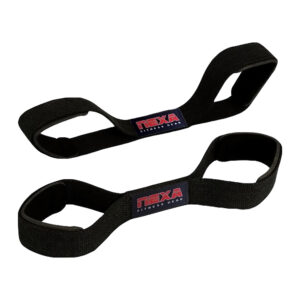
Welcome To Nexa Gear

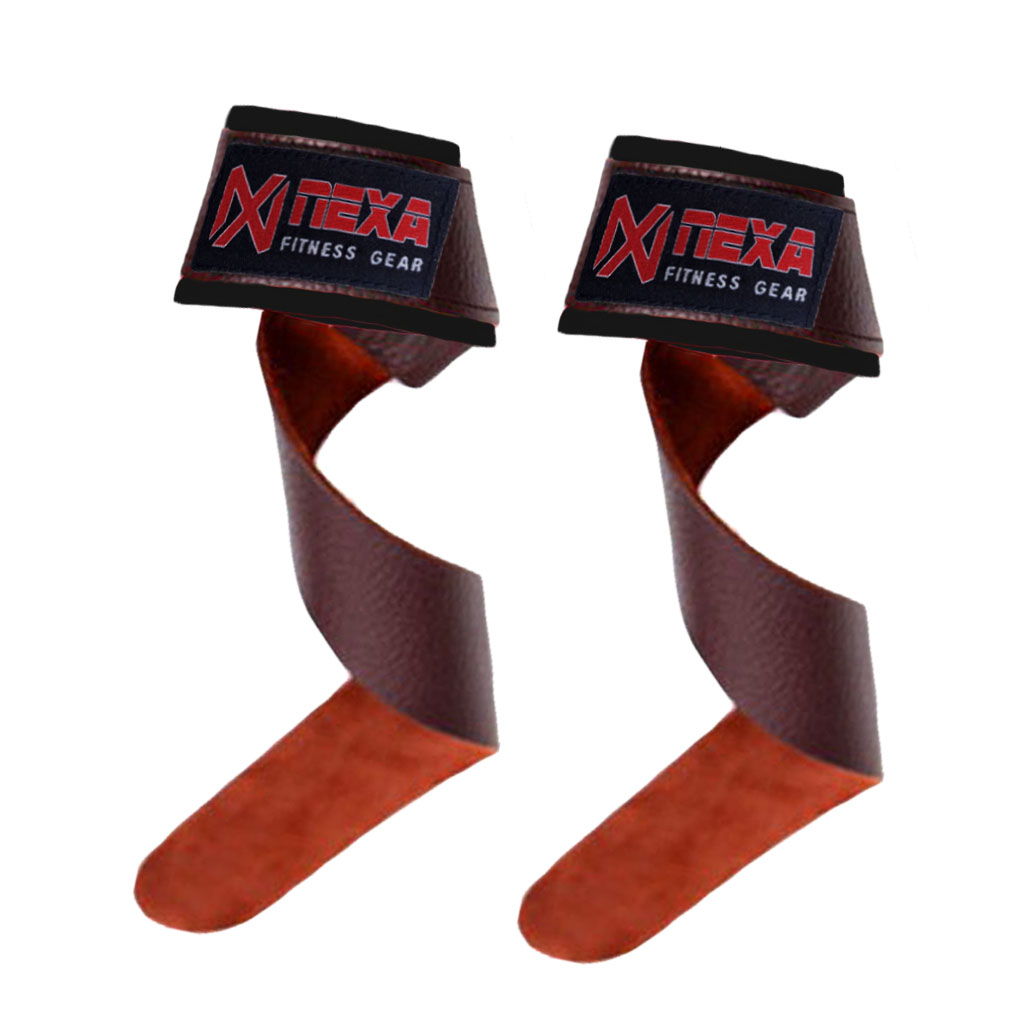

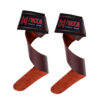

Leather Weightlifting Straps Manufacturer Since 2008
Price Start From
Leather Weightlifting Straps made of high quality 100% Leather material
Material: | Leather / Neoprene |
Logo: | We offer customize Logo & Printing |
Size: | Standard Size |
Color: | Any Color According to Customer Demand. |
Feature: | Premium Neoprene Padding, High Quality Leather |
Type: | Fitness Gear |
Our Services: | We Offer OEM manufacturing custom Sports Wear, Fitness Gear, Casual Wear |
MOQ: | 100 Pair, Qty can negotiate. Thanks! |
Leather Weightlifting Straps, Leather Lifting Straps
Very comfortable to use and you would be able to wrap around the barbell bar very easily.
Features:
- 5 mm (Approximately) Neoprene Padding
- Grip X Technology
- Reinforced Stitching
- High Quality 100% Leather
- Neoprene Padded Wrist Slab
- Uniquely designed for a strong grip
MOQ
- 100 pair
For Customize Label and Design
- We offer customize label and design. Minimum order quantity should be at least 200 pair
Delivery Time
- 10 To 15 Days (For Small Orders)
- For Bulk Quantity kindly send inquiry for detail.
Our Services
- Quick Response within 6 hours
- Sample Available
- Low MOQ
- Private Label & Package Design
- Quality Guarantee
- Door to door shipment
Leather weightlifting straps are useful tools for weight training. If you’ve gained enough strength to start lifting heavier weights but find that your hand grip isn’t strong enough to hold weights for exercises such as dead lifts, weighted pull-ups or shrugs, you can use lifting straps. The straps allow you to lift some of the weight with your wrists so you can hold on long enough to complete your exercise.
Deciding When to Use Leather Lifting Straps
1- Use lifting straps for the right exercises. If you are looking to increase muscle size and strength in your upper back, trapezius, and hamstring muscles, lifting straps may be right for you. They allow you to lift more weight to work these muscles than your natural grip might allow. Specifically, they are good for the following exercises:
- Dumbbell or barbell rows
- Shrugs
- Deadlifts
- Romanian deadlifts
- Rack pulls
2- Avoid using lifting straps for the wrong exercises.
First, it is important to note that (leather weightlifting straps) lifting straps are not allowed in power lifting competitions. If you are training to power lift, don’t use straps all the time, because you need a strong natural grip.
- Make sure to do at least some reps with your natural grip, even if it means you can’t lift as heavy a weight.
- Additionally, these straps are only helpful for lifts in which gravity is working against your ability to hold on to the weight. Lifting straps do not aid in bench presses or similar exercises. Using them for these lifts may result in ridicule from other weight lifters.
3-Select the right lifting straps. Lifting straps are sewn from heavy-duty cotton, nylon, or (leather weightlifting straps) leather.The varying materials and styles of these straps provide different advantages to the lifter. Here are some guidelines in choosing straps.
- Make sure they are well stitched and strong.
- Cotton and nylon straps are firmer than leather straps and are less easily bent out of shape. Leather straps have a little more give. This makes them a better choice if you plan to wear them to clean, though many weightlifters don’t believe straps should be used for this lift anyway.
- Nylon straps allow you to release the dumbbell the most quickly.
- Olympic/speed straps are shorter. These allow for easier and faster release of the barbell, but a less firm grip, because the strap wraps around the barbell fewer times.
- Although you can buy padded straps, straps with hook-and-loop fasteners, and weightlifting gloves with straps or hooks built in, these don’t offer much improvement in function or comfort and are more expensive. Further, hook straps don’t fit all barbells and can negatively affect your technique for some lifts
Method 2- Putting on Lifting Straps
1- Thread the ends of the straps through the loops. This will form a circle at 1 end of the strap. If using another type of strap (e.g. hook-and-loop straps or Olympic straps), skip this step
2-Put the straps on. Slide your hands through the circles or attach the straps with the hook-and-loop fasteners so the end of the straps hang down along your fingers. Pull on the ends of the straps or adjust the fasteners until the straps fit snugly around your wrists.
3-Wrap the ends of the strap around the bar (or bars) holding the weight. Start by going under the bar from back to front, and then wrapping the strap (leather weightlifting straps) over the top and under again. Wrap the strap completely around the bar.
- Some weight trainers prefer to wrap the straps (leather weightlifting straps) in a figure-8 configuration. This can lead to a better grip on the barbell, but some people complain that after many reps, it can make the bar less comfortable to hold on to or even lead to friction burns
4-Place your hands over the straps. Close your palm and fingers over the area where the straps (leather weightlifting straps) are wrapped around the barbell. This is what holds them in place. When you let go, they should slide off easily. If you’re uncomfortable, re-wrap the straps (leather weightlifting straps) to tighten or loosen as necessary.